Pomona Hardwood Floors – Vancouver, WA’s Experts in Hardwood Floor Refinishing and Restoration
Water is the single greatest enemy of hardwood flooring. Whether it’s from a burst pipe, a leaky appliance, or a severe flood, water can quickly cause boards to swell, warp (cup or buckle), and even grow mold. For homeowners in Vancouver, WA, understanding the proper and immediate steps for restoration is essential to save your valuable floor.
At Pomona Hardwood Floors, we don’t just offer hardwood floor refinishing; we offer a complete, expert-driven restoration process designed specifically to address and reverse the effects of water damage.
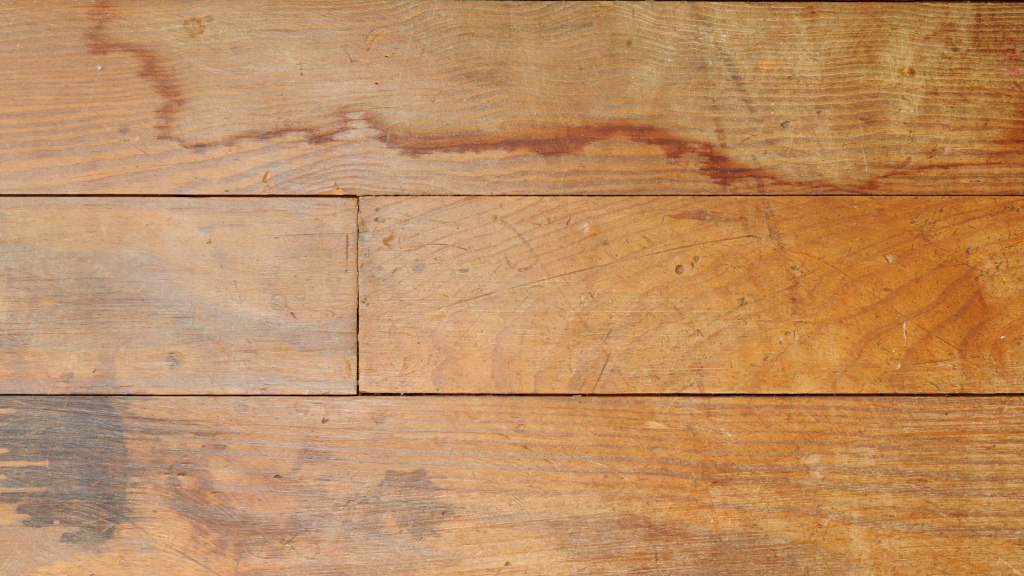
1. The Critical First Step: Emergency Assessment and Mitigation
When you call us about water damage to your hardwood flooring, time is the enemy. Our first priority is rapid mitigation:
- Source Stop: The water source must be completely stopped.
- Rapid Moisture Removal: We immediately remove any standing water and begin the professional drying process using high-volume fans and dehumidifiers. This step is crucial to prevent secondary damage like mold and mildew.
- Professional Inspection: We use non-invasive moisture meters to assess how deep the water has penetrated the subfloor and the wood planks. This helps us determine whether the boards can be saved or require replacement.
2. Assessing and Repairing Structural Damage
Once the area is stabilized, we determine the severity of the damage to decide how to fix hardwood floors.
- Minor Damage: If the damage is superficial (only affecting the finish or very slightly raising the wood grain), drying may be enough to settle the boards down.
- Severe Damage: If boards are significantly “cupped” (edges higher than the center) or “buckled” (planks lifting severely from the subfloor), they must be addressed. We carefully remove and replace only the planks that are structurally compromised or permanently stained, avoiding unnecessary demolition.
This strategic repair is a vital precursor to the sanding phase of hardwood flooring refinishing.
3. The Restoration Phase: Professional Hardwood Floor Refinishing
With the floor dry and any irreparable planks replaced, we proceed with the most effective restoration technique: a complete hardwood floor refinishing.
- Sanding: This step is crucial for water-damaged floors. We sand away the swollen, raised grain and the water-logged finish. For areas that experienced slight cupping but were deemed salvageable, sanding acts as a powerful leveler, returning the floor to a smooth, flat surface.
- Stain and Seal: After sanding, we apply the stain of your choice, which helps restore a uniform color, especially important where water caused mineral staining. We then apply commercial-grade sealant.
4. Protecting Against Future Damage in Vancouver, WA
Due to the damp local climate, applying a high-quality finish during refinishing hardwood flooring is non-negotiable. We use durable, moisture-resistant finishes that provide a powerful protective barrier, reducing the porosity of the wood.
This ensures that should a small spill happen again, the water beads up on the surface, giving you enough time to clean it up before it penetrates the wood. This longevity is what sets Pomona Hardwood Floors apart in the Vancouver, WA market.
5. Why Choose Pomona Hardwood Floors for Hardwood Flooring Refinishing
Restoring water-damaged hardwood flooring is not a job for general contractors or a DIY approach—it requires the specialized knowledge of wood flooring experts. Our team understands how wood reacts in the PNW climate and utilizes dustless sanding technology to ensure a clean, healthy restoration. When you need immediate, effective, and professional hardwood refinishing after a water event, we are your local experts.

Don’t let water ruin your home’s value! Contact Pomona Hardwood Floors immediately for emergency water damage assessment and restoration in Vancouver, WA!
Frequently Asked Questions (FAQs
| Question | Answer |
| How long after water damage can I start hardwood floor refinishing? | You must wait until the wood and the subfloor are completely dried out. This can take several days to weeks with professional equipment. Starting hardwood floor refinishing too soon will trap moisture and lead to mold and failure. |
| Is it always necessary to replace the hardwood flooring after water damage? | No. If the damage is caught early and mitigated quickly, the boards can often be saved. Professional sanding during hardwood flooring refinishing can remove surface swelling and cupping, saving you significant replacement costs. |
| What is the best way to fix hardwood floors that have buckled due to water? | Buckled floors (severe lifting) usually indicate irreparable damage to the plank and subfloor. The best way to fix hardwood floors in this state is to carefully remove and replace the buckled boards before proceeding with the full refinishing hardwood flooring process. |
💡 Key Takeaways
If your hardwood flooring in Vancouver, WA suffers water damage, immediate action is critical to minimize permanent damage and prevent mold. Pomona Hardwood Floors’ restoration process involves rapid moisture mitigation, professional sanding (which often becomes necessary to fix hardwood floors by removing raised boards), and then full hardwood floor refinishing. Minor water damage may only require drying and sanding, while severe damage requires replacing the affected planks before proceeding with refinishing hardwood flooring to ensure structural integrity and successful long-term results.
More Helpful Tips:

Hardwood Floor Damage Prevention: How to Spot and Fix Common Issues Before They Cost You

Laminate vs. Hardwood Flooring: Pros and cons to help you choose the right flooring for your home
Humidity Control for Hardwood Floors: The Essential Guide to Prevent Cupping and Gapping
How Long Does Hardwood Refinishing Last? Maintenance Tips for Portland and Vancouver's Climate

Solid Hardwood vs. Engineered Hardwood: Which is Best for the PNW Climate?