Quality kitchen flooring must withstand daily challenges – constant foot traffic, unexpected spills, and heavy wear. Traditional hardwood floors showcase remarkable longevity, lasting over a century when properly maintained. Modern kitchens, however, welcome an array of exceptional flooring choices.
Kitchen flooring options now span from classic to contemporary. Water-resistant porcelain tile delivers unmatched durability, while budget-conscious homeowners find style and strength in vinyl selections under $3 per square foot. Kitchen flooring options continue evolving – bamboo surpasses traditional hardwood in strength, while luxury vinyl planks promise two decades of reliable service.
Our expert team tested and evaluated 11 distinct flooring materials suited for busy kitchen spaces. Each selection brings unique advantages to your home. Natural stone creates timeless beauty, concrete offers lifetime durability, and modern materials provide practical solutions for every kitchen design. Let’s explore the perfect flooring choice for your space.
Hardwood Flooring
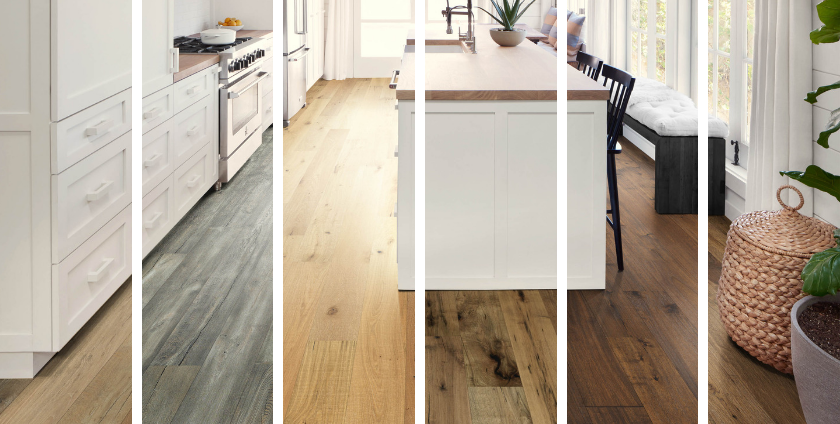
Image Source: LIFECORE® Hardwood Flooring
Solid hardwood flooring brings classic beauty and lasting value to kitchen spaces. These floors stand the test of time, serving homes for 30 to 100 years. Our clients see remarkable returns – hardwood installations yield 118% ROI, adding $6,500 to home values.
Hardwood Types for Kitchen Use
Kitchen spaces welcome two distinct hardwood options. Solid unfinished planks receive on-site finishing, creating seamless moisture protection across the entire surface. For enhanced stability, engineered hardwood combines a plywood foundation with natural wood veneer, delivering superior moisture resistance.
Hardwood Durability and Maintenance
Quality polyurethane finishes shield kitchen hardwood from daily spills and splashes. Simple care routines preserve these beautiful floors – prompt spill cleanup and weekly pH-neutral wood cleaner applications maintain their appeal. Strategic rug placement near sinks and busy areas provides extra protection against wear.
Hardwood Installation Cost and ROI
Hardwood floor installation costs range from $6 to $12 per square foot, including materials and expert labor. Wood species affect pricing:
- Yellow pine: $3-$7 per square foot
- Red oak: $3-$8 per square foot
- Maple: $4-$10 per square foot
- Teak: $9-$15 per square foot
Professional installation adds $3 to $6 per square foot. Existing hardwood floors offer exceptional value through refinishing – expect 147% ROI, turning a $3,400 investment into $5,000 returns.
Best Hardwood Species for Kitchens
White oak and maple excel in kitchen settings. Their natural density resists daily wear while maintaining beautiful appearances. While pine and walnut offer stunning grain patterns, these softer species demand gentler treatment and show age more readily.
For kitchen success, select hardwood with Janka hardness rating above 1290. This strength withstands dropped utensils and busy family life. Natural matte finishes hide minor marks better than glossy alternatives, keeping floors looking fresh despite kitchen activity.
Dreaming of the timeless elegance of real hardwood flooring? Pomona Hardwood Floors provides expert installation and a vast array of hardwood choices. Let’s bring your hardwood vision to life.
Porcelain Tile

Image Source: RUBI
Porcelain tiles shine among kitchen flooring choices. These remarkable tiles serve homes for 15 to 50 years, crafted from refined clay at temperatures beyond 2,000°F. The result? Unmatched strength and superior water resistance.
Porcelain Tile Styles and Patterns
Today’s porcelain tiles showcase stunning variety. Elegant marble-look finishes capture luxury, while rustic wood-inspired patterns bring warmth to kitchen spaces. Modern inkjet printing creates authentic stone and wood appearances without the upkeep demands.
Our design team recommends these striking layout options:
- Horizontal corridor patterns define kitchen pathways
- Classic basketweave designs add timeless charm
- Diamond rug patterns welcome guests in entryways
Porcelain Durability Features
Porcelain’s exceptional density limits water absorption to less than 0.5%. This remarkable quality delivers:
- Complete protection from kitchen spills and ice drops
- Natural resistance to wine, coffee, and oil stains
- Built-in defense against bacteria and mold growth
Kitchen activity poses no challenge for porcelain’s natural strength. Pet claws, chair movement, and dropped utensils leave no lasting marks. Unlike natural stone floors, porcelain stays beautiful without sealing or special care products.
Installation Requirements
Proper porcelain installation demands professional expertise. The material’s weight and precise cutting needs require skilled hands. Success starts with careful preparation:
- Foundation Work:
- Clean, level surfaces ensure lasting stability
- Clear existing trim and moldings
- Check floor joist strength, especially upstairs
- Expert Installation Steps:
- Select quality polymer-modified adhesive
- Set precise 2mm grout lines
- Rest floors 24 hours before grouting, 72 hours before full use
While installation costs exceed standard flooring, porcelain’s lasting beauty and minimal upkeep needs make it a smart kitchen investment. Our clients appreciate porcelain’s enduring value and worry-free performance.
While we specialize in engineered wood, hardwood, laminate, and LVP, we’re happy to discuss other flooring options and help you determine the best fit for your home in Portland, Lake Oswego, Vancouver, Ridgefield, and surrounding areas. Get A Free Consultation With Our Certified Product Specialist to explore all possibilities and find the perfect flooring solution for your needs.
Luxury Vinyl Planks (LVP)

Image Source: The Home Depot
Luxury Vinyl Planks bring remarkable beauty and lasting strength to kitchen spaces. Our clients choose LVP for its perfect blend of durability and style, especially in busy family kitchens.
LVP Material Composition
Quality LVP floors feature four essential layers, each playing a vital role. The clear wear layer guards against daily scratches, while the design layer showcases stunning wood or stone patterns through high-definition printing. Beneath these, SPC or WPC core layers deliver structural strength. A sturdy backing layer rounds out the design, adding stability and quieting footsteps.
Water Resistance Benefits
Kitchen spills pose no threat to LVP floors. These 100% waterproof planks stand ready for busy kitchen life. Our experience shows CrystaLux technology provides superior defense against water damage, pet accidents, and harsh sunlight. While these floors resist moisture beautifully, prompt spill cleanup helps maintain their pristine appearance.
Cost Comparison
LVP offers exceptional value for kitchen spaces. Material costs run $2.00 to $5.00 per square foot, with professional installation adding $4.00 to $13.00 per square foot. A typical 200-square-foot kitchen project totals between $1000.00 and $3400.00, covering both materials and expert installation.
Installation Methods
LVP welcomes three proven installation approaches:
- Click-Lock System:
- Creates seamless floating floors
- Eliminates adhesive needs
- Perfect for DIY projects
- Peel-and-Stick:
- Budget-friendly material costs
- Requires careful installation
- Select patterns available
- Glue-Down Method:
- Maximum long-term durability
- Demands professional skills
- Matches engineered wood labor costs
Properly installed LVP floors serve kitchens beautifully for 20 years. These resilient floors handle heavy foot traffic while keeping maintenance simple. Basic care – regular sweeping and light damp mopping – keeps LVP looking fresh.
Interested in the waterproof and low-maintenance benefits of luxurious vinyl plank? Pomona Hardwood Floors offers a stunning range of LVP styles!
Natural Stone

Image Source: Countertop Specialty
Natural stone floors tell stories millions of years in the making. Each stone slab brings unique character to kitchen spaces, displaying nature’s artistry through distinctive patterns and rich textures. Understanding stone varieties helps match their specific qualities to your kitchen needs.
Popular Stone Varieties
Granite rules kitchen stone selections, boasting exceptional scratch resistance and natural antimicrobial defense. Rich mineral deposits create stunning veined patterns across this volcanic stone’s sparkling surface. Marble follows close behind, offering luminous beauty from pristine Carrera white to sophisticated Negro Orientale black.
Limestone delivers quiet elegance through warm beige and toasty brown tones. Kitchen spaces benefit from its natural pathogen resistance against viruses and bacteria. Travertine, limestone’s refined cousin, brings subtle sophistication through understated color palettes.
Stone Maintenance Requirements
Stone floors reward proper care with lasting beauty. Essential practices include:
- Regular Cleaning Protocol:
- Soft brush vacuum attachments protect delicate surfaces
- pH-neutral cleaners (7.0) preserve protective sealants
- Skip acidic cleaners – no vinegar or lemon solutions
Quick blotting saves spills from becoming stains – wiping spreads problems across surfaces. Indoor stone needs fresh sealing every 4-6 years, while busy or damp areas might need more frequent attention.
Pricing Considerations
Stone quality and variety drive installation costs:
- Marble: USD 5.00-50.00 per square foot
- Granite: USD 2.00-15.00 per square foot
- Limestone: USD 5.00-20.00 per square foot
- Travertine: USD 3.00-20.00 per square foot
Expert installation adds USD 5.00-13.00 per square foot. While initial costs run higher, stone floors often outlast the homes they grace.
Stone floors demand proper foundation work and skilled installation. Their natural density maintains steady temperatures, pairing beautifully with underfloor heating. Pure stone composition means complete recyclability, making these floors truly sustainable choices.
Engineered Bamboo

Image Source: The Spruce
Engineered bamboo floors blend earth-friendly practices with kitchen-ready durability. These innovative floors pair genuine bamboo layers with sturdy plywood or fiberboard cores.
Bamboo Construction Types
Quality bamboo floors come in three distinct styles:
- Horizontal designs highlight natural bamboo knuckles
- Vertical patterns create sleek, modern looks
- Strand-woven options deliver supreme hardness through compressed bamboo and resin
Skilled craftsmen bond bamboo to waterproof cores, creating floors that stay stable despite kitchen moisture. This careful construction prevents common problems like swelling and warping.
Environmental Benefits
Bamboo grows with remarkable speed, reaching maturity in 4-5 years and naturally regenerating after harvest. These vigorous plants capture significant CO2, locking it away in their fibers.
Nature benefits when you choose bamboo:
- Smart harvesting – taking 20-25% of stems yearly keeps forests healthy
- Roots stay safe during harvest, protecting soil
- Living root systems guard against erosion
Look for FSC certification to ensure truly sustainable bamboo flooring choices.
Durability Ratings
Strand-woven bamboo stands strong with Janka hardness ratings of 3,000 to 4,000. This impressive strength surpasses traditional hardwoods, perfect for busy kitchen spaces.
These floors deliver:
- Natural defense against scratches and dents
- Moisture resistance through smart engineering
- Protection from 9-10 layers of UV-cured polyurethane
Material costs run USD 2.00 to USD 10.00 per square foot. Regular care keeps these floors beautiful without refinishing. Expert installation adds USD 2.00 to USD 4.00 per square foot, bringing complete projects to USD 4.00-12.00 per square foot.
Strand-woven bamboo brings the best performance to kitchen spaces. Natural strength pairs with modern manufacturing to create floors ready for daily kitchen life while maintaining their beauty.
Looking for new flooring? We offer a wide selection including engineered wood flooring, laminate flooring, and luxurious vinyl plank. Plus, we handle the installation! Explore our options and find the perfect floor for your home.
Cork Flooring

Image Source: Underlay4u
Eco-friendly kitchen flooring options welcome cork’s perfect blend of comfort and sustainability. Harvested from cork oak bark, these remarkable floors bring natural beauty and lasting benefits to kitchen spaces.
Cork Properties
Cork’s unique cellular structure welcomes tired feet during long kitchen sessions. Natural spring-back qualities prevent lasting damage from dropped pans or heavy furniture. Kitchen health improves too – cork’s natural antimicrobial defense stops bacteria and mold growth.
Forget expensive heating systems – cork’s millions of tiny air chambers keep floors naturally warm. These microscopic pockets work tirelessly as temperature guardians year-round. Upstairs neighbors? Cork’s sound-dampening qualities keep peace between floors.
Sustainability Features
Cork trees share their gifts generously. First harvest comes at 25 years, followed by fresh bark every 9-12 years through two centuries of growth. One tree provides 8 to 15 harvests in its lifetime. Skilled harvesters protect each tree’s health, ensuring continuous bark renewal.
Cork forests serve nature beyond flooring:
- Guard soil health and water balance
- Capture harmful carbon emissions
- Welcome diverse wildlife
Installation Guidelines
Perfect cork floors start with careful preparation. Materials need 48-72 hours to settle into their new home. Success demands attention to:
- Foundation Work:
- Spotless, level subfloors
- Clear away old trim
- Quality underlayment placement
- Sealing Steps:
- Two careful polyurethane layers
- Patient 4-6 hour coating breaks
- Gentle 24-hour settling period
Materials start at USD 5.00 per square foot. Expert installation adds USD 2.00 per square foot. Treat these floors right, and they’ll serve your kitchen beautifully for 40 years.
Concrete Flooring

Image Source: Houzz
Concrete floors shatter expectations in modern kitchens. Far beyond basic gray slabs, these surfaces blend industrial muscle with artistic possibility. Let’s explore why concrete stands ready to redefine your kitchen space.
Concrete Styles and Finishes
Today’s concrete welcomes creative expression. Staining techniques paint translucent, varied patterns across surfaces, turning floors into artistic statements. Diamond pad grinding reveals mirror-like polish perfect for modern kitchens. Natural stains bring warmth through rich browns and subtle grays.
Master craftsmen offer signature touches:
- Custom designs through digital transfers
- Intricate stenciled patterns
- Textured engraving details
Durability Factors
Concrete means business in busy kitchens, serving homes beyond 50 years. Daily kitchen battles prove no match for concrete’s natural strength. These floors laugh off:
- Chips and warps
- Spill marks
- Food and drink stains
Kitchen challenges meet their match in concrete’s unyielding surface. Quality sealing adds superior moisture defense, perfect for splash-prone areas.
Maintenance Requirements
Simple care keeps concrete floors stunning through decades of service. Daily dust mopping with soft microfiber tools preserves surface beauty. Gentle pH-neutral cleaners handle deeper cleaning needs.
Success demands three simple rules:
- Clean spills promptly
- Refresh protective sealants every 2-3 years
- Skip harsh bleach or ammonia cleaners
Basic concrete starts at USD 2.00 per square foot, while artistic finishes reach USD 30.00. Though prices vary, concrete’s lasting strength and easy care deliver excellent long-term value.
Sealed concrete guards against kitchen moisture. Natural thermal mass properties help control room temperature, trimming energy bills. Earth-friendly concrete creates minimal waste and returns fully to nature when its service ends.
Ceramic Tile

Image Source: LX Hausys
Ceramic tiles welcome kitchen spaces with practical beauty and lasting value. Skilled artisans fire these clay-based tiles between 1,800°F and 2,000°F, creating surfaces ready for daily kitchen life.
Ceramic vs Porcelain
Kitchen success starts with understanding tile differences. Ceramic tiles drink in more than 0.5% water, making them perfect indoor companions. Glazed varieties stand strong against moisture, stains, and unwanted bacteria.
Manufacturing methods tell these tiles apart. Ceramic embraces coarser clay and gentler firing temperatures, creating tiles that welcome cutting tools. This friendly nature often means lower installation costs. Kitchen spaces thrive with PEI-rated tiles – most ceramic options range from PEI 1 to 4.
Design Options
Modern ceramic tiles paint endless possibilities. Today’s manufacturing magic creates:
- Surfaces dancing with ripples, waves, and raised patterns
- Colors spanning nature’s full palette
- Glazed finishes that laugh at moisture
Surface treatments bring dreams to life without sacrificing function. Glazed tiles particularly shine in kitchen spaces where moisture meets style.
Cost Analysis
Ceramic brings beauty within reach, starting at USD 0.50 to USD 7.00 per square foot. Expert installation adds USD 4.00 to USD 32.00 per square foot, reflecting project needs and local rates.
Complete kitchen projects typically range from USD 500.00 to USD 5000.00, averaging USD 2000.00. Final costs dance with:
- Room size and layout challenges
- Tile selection and pattern complexity
- Floor preparation needs
- Local labor markets
Quality tiles command USD 3.00 to USD 15.00 per square foot. Installation prices reflect:
- Seasonal timing
- Design intricacy
- Surface conditions
- Permit requirements
Properly installed ceramic floors keep their beauty through years of kitchen duty. Simple pH-neutral cleaning maintains their charm, perfect for busy family kitchens.
Marmoleum

Image Source: Danforth Carpet Connection
Marmoleum floors tell earth-friendly stories in modern kitchens. These natural linoleum surfaces capture more CO2 than they release during production, using 97% natural materials to create climate-positive flooring.
Eco-friendly Features
Nature’s gifts shape every Marmoleum floor – 62% renewable resources join 43% recycled content in perfect harmony. When service ends, these floors return gracefully to earth, feeding future growth. Linseed oil, wood flour, and jute weave together in completely biodegradable surfaces, embracing circular economy principles.
Color Options
Let’s explore Marmoleum’s palette of possibilities – over 300 colors and patterns await your kitchen dreams. Our collections feature:
- Classic marbled swirls
- Clean contemporary lines
- Modern concrete-inspired surfaces
Custom patterns bring your unique vision to life. Modern manufacturing methods preserve natural beauty while delivering refined style.
Maintenance Tips
Simple care keeps Marmoleum floors beautiful through years of service. Daily attention includes:
- Basic Care Steps:
- Gentle pH-neutral cleaners only
- Skip harsh chemical solutions
- Quick action on spills prevents stains
Topshield pro finish guards against stains while making cleanup a breeze. New floors might show temporary amber tones – sunlight naturally clears this passing phase.
Seasonal care calls for light vinegar solutions to balance alkaline buildup. Natural linseed oil keeps working against bacteria year after year. Busy kitchen spaces welcome this constant protection, keeping families safe through daily activities.
Laminate Flooring

Image Source: The Home Depot
Kitchen floors welcome modern laminate’s remarkable strength. These smart surfaces pair lasting beauty with daily defense through carefully crafted layers.
Water-Resistant Technologies
Today’s laminate stands strong against kitchen moisture for 30 full hours. SpillRepel™ technology guards busy family kitchens from daily spills. These moisture-ready floors shine in splash-prone spaces, perfect for active cooking zones.
Style Selection
Laminate brings nature’s beauty home. Quick-Step Studio captures oak’s golden warmth and bold grain patterns. Premium floors showcase up to 32 distinct board designs, ensuring natural-looking spaces without repeated patterns.
Installation Process
Success starts with careful preparation. Clean, smooth, level surfaces set the stage for lasting beauty. Perfect installation demands:
- Settling Time:
- Boxes rest unopened 48 hours in their new space
- Room temperature stays steady
- Clear away old floors and trim
Modern laminate clicks together without glue or nails. These floating floors move naturally with seasonal changes. Expert installation runs $4 to $32 per square foot, reflecting project needs.
Foam underlayment adds comfort and protection unless boards include padding. This hidden layer quiets steps and blocks moisture. Remember the 3/8-inch breathing room along walls – temporary spacers make this easy.
Quality laminate laughs at daily wear, standing strong against dents, scratches, and sun. Simple care – regular sweeping and light damp mopping – keeps these floors looking fresh.
Looking for a budget-friendly and stylish flooring solution? Our laminate flooring options offer durability and realistic wood looks. Get A Free Consultation With Our Certified Product Specialist to discover the perfect laminate flooring for your needs.
Sheet Vinyl

Image Source: Flooring Inc.
Sheet vinyl floors write new stories in modern kitchens. Smart manufacturing brings premium looks to practical spaces, letting you enjoy luxury appearances without premium costs.
Modern Vinyl Technologies
Let’s explore vinyl’s clever construction. Protective wear layers guard against daily life, while high-definition printing captures stunning designs beneath. Our clients love ScratchResist® technology’s superior defense against household scuffs. Microban® protection keeps these floors 99% cleaner than untreated surfaces.
Pattern Options
Today’s vinyl speaks nature’s language through advanced printing. Stone patterns capture authentic grout lines and natural depth. Wood looks range from sleek city styles to weathered barn charm, complete with lifelike grain details. Your kitchen welcomes:
- Bold geometric statements
- Artistic decorative touches
- Free-flowing abstract designs
Cost Benefits
Smart shoppers choose sheet vinyl for lasting value. Materials run USD 0.50 to USD 5.00 per square foot, while expert installation adds just USD 1.00 to USD 2.00 per square foot. These budget-friendly floors make sense because:
- Large rolls mean less waste
- Simple cuts speed installation
- Basic care products do the job
Natural waterproof qualities protect busy kitchens. Seamless surfaces stop moisture from reaching subfloors. Treat these floors right, and they’ll serve your kitchen beautifully for 20 years. Simple sweeping and light mopping keep them fresh – perfect for busy family life.
Comparison Table
Let’s explore how these kitchen flooring options measure up. Our detailed comparison helps match perfect floors to your needs.
| Flooring Type | Durability/Lifespan | Cost Range (per sq ft) | Water Resistance | Maintenance Requirements | Key Benefits | Installation Complexity |
|---|---|---|---|---|---|---|
| Hardwood | 30-100 years | $6-$12 | Moderate | Weekly pH-neutral cleaning; quick spill response | 118% ROI; adds $6,500 to home value | Expert hands needed; $3-$6/sq ft labor |
| Porcelain Tile | 15-50 years | Not mentioned | Excellent (<0.5% absorption) | Simple care; no sealing needed | Complete moisture defense; stain-proof | Professional only; special tools required |
| Luxury Vinyl Planks | ~20 years | $2-$5 materials + $4-$13 installation | 100% waterproof | Light sweeping; occasional damp mop | Waterproof; scratch-tough; DIY-ready | Three paths: click-lock, peel-stick, glue-down |
| Natural Stone | Lifetime | $2-$50 (varies by type) | Strong with sealing | Fresh seal every 4-6 years; gentle cleaners | Timeless beauty; natural germ defense | Skilled install; $5-$13/sq ft labor |
| Engineered Bamboo | Not mentioned | $2-$10 materials + $2-$4 installation | Enhanced defense | Regular care; UV shield | Earth-friendly; outlasts hardwood | Professional wisdom recommended |
| Cork | Up to 40 years | $5 materials + $2 installation | Moderate | Regular cleaning; needs resealing | Natural germ defense; quiet steps | Expert install; 48-72hr rest period |
| Concrete | 50+ years | $2-$30 | Excellent sealed | Dust mop; seal every 2-3 years | Unmatched strength; endless looks | Professional craft required |
| Ceramic Tile | Not mentioned | $0.50-$7 materials + $4-$32 installation | Good (>0.5% absorption) | Simple pH-neutral care | Budget-friendly; style choices | Professional skills suggested |
| Marmoleum | Not mentioned | Not mentioned | Good | Gentle cleaners; quick spill care | Green choice; germ resistant | Expert installation advised |
| Laminate | Not mentioned | $4-$32 installed | 30-hour water guard | Light sweep; occasional damp mop | Value price; scratch-tough | DIY possible; needs settling time |
| Sheet Vinyl | Up to 20 years | $0.50-$5 materials + $1-$2 installation | Excellent | Basic sweep; light mopping | Smart value; seamless beauty | Professional touch recommended |
Conclusion
Hardwood and porcelain tile lead our kitchen flooring selections for lasting value. Hardwood brings remarkable returns – 118% ROI adds $6,500 to home values. Porcelain tile stands guard against moisture while promising decades of beauty. Budget-smart shoppers find excellent choices in luxury vinyl planks and sheet vinyl at $2-5 per square foot.
Kitchen floors must face water challenges head-on. Porcelain tile, concrete, and vinyl shine here, while sealed hardwood performs beautifully with prompt spill care. Each floor tells its own maintenance story – natural stone asks for regular sealing attention, while porcelain tile needs just simple cleaning care.
Your perfect kitchen floor waits among these choices! Consider your unique needs:
- Daily care preferences
- Budget boundaries
- Style dreams
Earth-conscious homeowners welcome bamboo and cork’s sustainable stories. Yet traditional hardwood continues winning hearts through proven service and timeless appeal.
Let’s create the perfect kitchen floor together! Our Pomona Hardwood Floors experts bring decades of experience to your project. Ready for your free consultation? Let’s match your vision with the ideal flooring solution.
Remember – kitchen floors shape daily life and home value. Choose floors that match your family’s rhythm while building future value. The right floor welcomes your morning coffee and evening gatherings for years to come!
FAQs
Q1. What are the top flooring trends for kitchens in 2025? In 2025, popular kitchen flooring trends include luxury vinyl tiles (LVT) with realistic wood and stone designs, water-resistant options, and easy-to-maintain materials. Herringbone patterns and bold tile designs are also gaining popularity for their esthetic appeal and practicality.
Q2. Which flooring material offers the best durability for busy kitchens? Vinyl flooring, particularly luxury vinyl planks (LVP) or tiles (LVT), stands out as one of the most durable options for busy kitchens. It resists stains, scratches, and wear from high foot traffic while offering a wide range of styles and colors to suit various design preferences.
Q3. How do natural flooring materials compare to synthetic options for kitchens? Natural flooring materials like hardwood and stone are experiencing a resurgence in popularity due to their timeless appeal, durability, and longevity. While synthetic options offer practicality, natural materials provide unique beauty and can add significant value to a home when properly maintained.
Q4. What is the most cost-effective yet durable flooring for kitchens? Luxury vinyl planks (LVP) or tiles (LVT) offer an excellent balance of affordability and durability for kitchens. These materials mimic the look of more expensive options like hardwood or stone while providing superior water resistance and easy maintenance at a fraction of the cost.
Q5. How important is water resistance when choosing kitchen flooring? Water resistance is crucial for kitchen flooring due to the likelihood of spills and moisture exposure. Materials like porcelain tile, sealed concrete, and vinyl offer excellent water resistance, helping to prevent damage and maintain the floor’s appearance over time. Proper sealing can also enhance the water resistance of natural materials like hardwood.
More Helpful Tips:
Hardwood Floor Damage Prevention: How to Spot and Fix Common Issues Before They Cost You
Laminate vs. Hardwood Flooring: Pros and cons to help you choose the right flooring for your home
Humidity Control for Hardwood Floors: The Essential Guide to Prevent Cupping and Gapping
How Long Does Hardwood Refinishing Last? Maintenance Tips for Portland and Vancouver's Climate

Water Damage to Hardwood Floors? Our Restoration Process for Vancouver Homes